

Artists 艺术家
Dejo, Jaf’r, Mwano, Hribso & Dejo, The Toyists, Toescat, Clamaoing, Eiiz, Fihi, Aniyina, Kixoz, Hribso
Exhibition Dates 展览日期
16, September, 2023 – 24, September, 2023
Venue 地点
Red Gate Gallery 红门画廊
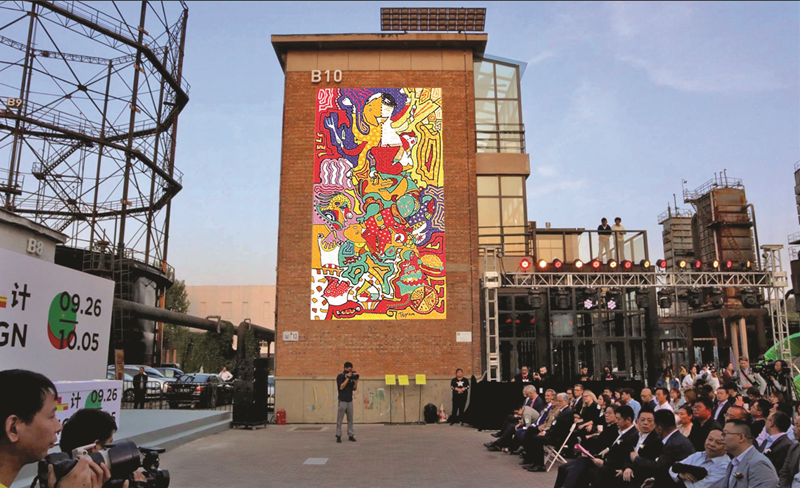
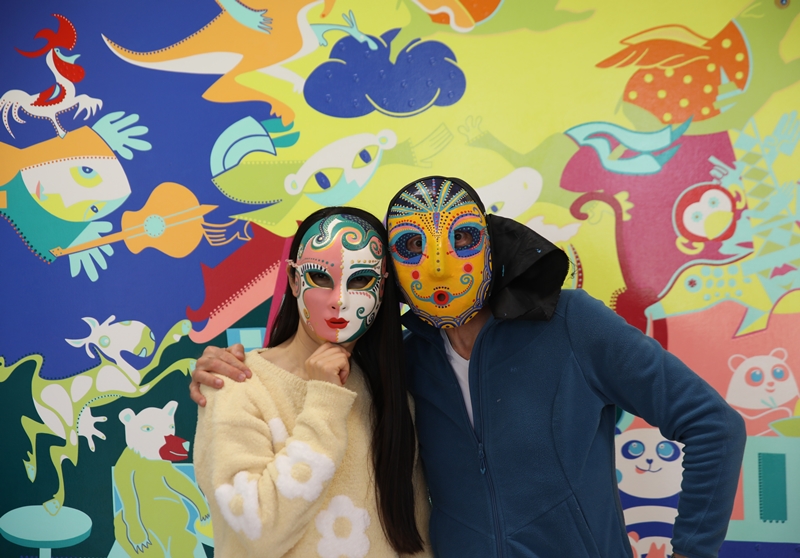
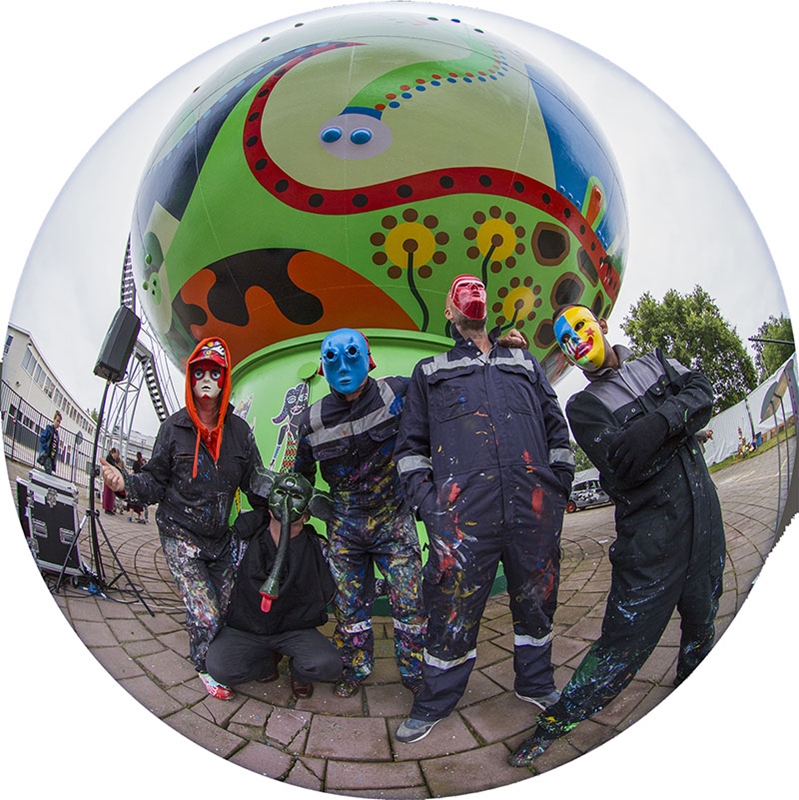
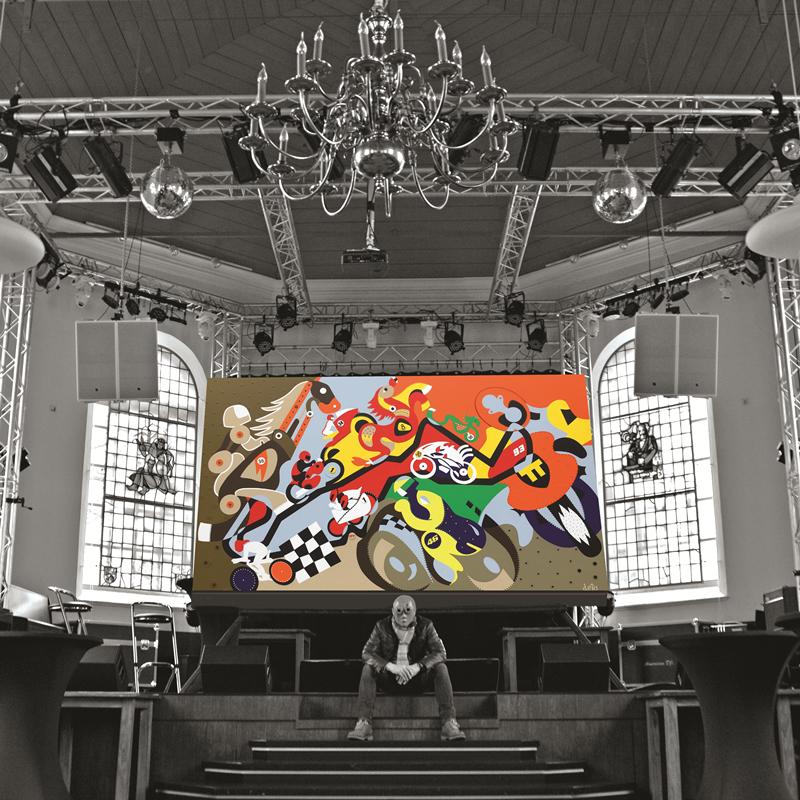
Toyism: Rules are made to clarity
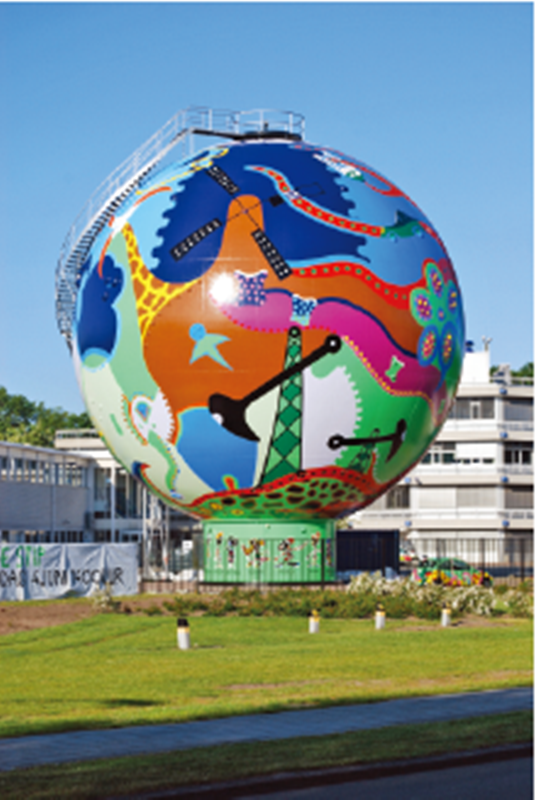
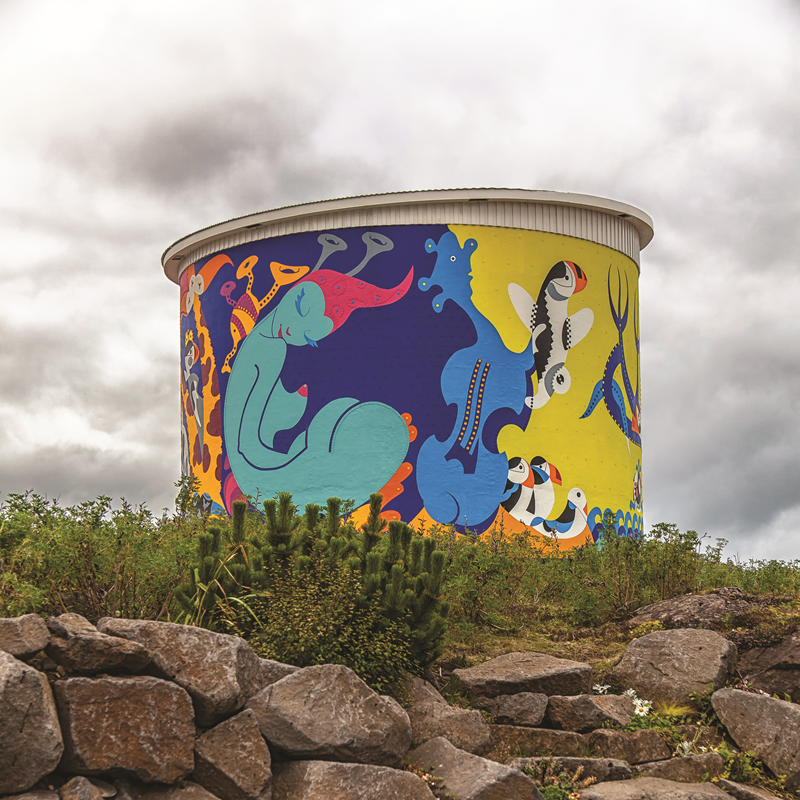
Although toyism has been around since 1992, the social impact and importance is only now beginning to get recognised. This has everything to do with the prevailing zeitgeist and the realisation that Toyism contains instruments that can give visual arts an anchoring point in broad social sections. Whether it is establishing the framework, determining the playing field, coming to clear agreements, addressing offenders for their behaviour and course of action, or even worse: punishing them for unsporting conduct, it all sounds pretty severe and formal and is therefore mostly seen as a nuisance. Though still: playing together is fun, particularly if those who take part know and obey the rules. Rules are made to clarity and prevent things from getting out of hand in the heat of the moment. However more importantly: they can increase the enjoyment. In contrast to what is often believed, agreements and strict rules need not interfere with the pleasure or the creative process. Drawing the lines during the game and knowing the boundaries of the playing field, handling restrictions creatively and attempting to obtain the maximum out of yourself and the game, are things that Toyists know all about. Actually, that’s what it is all about for them.
Toyism is up to date. The movement effectively bridges the gap between high and low culture and seeks new ways to communicate with the public. This leads to an exciting search for the way in which the discussion about the social playing field by visual arts can be lifted to a higher level without losing sight of the clarity and purity of the intentions. Public participation is enforced in a playful way and generates joy in which all parties feel involved.Toyism is carried and propagated by a collective of internationally operating artists. The strict organisational form is the best guarantee for continuity and a guarantee for quality and global dimensions. Since the collective sticks to fixed rituals that are recorded in a secret manifesto, the ambitions can be realised on the cutting edge. Possible misunderstandings about the intentions of the movement are tackled beforehand.
The social relevance that the Toyists strive for is also the trademark of the movement. The similarities with other –isms and renewal/innovative movements include the search for alternatives and creative solutions for stalled social processes. In light of this, Toyism is an innovative movement that can force a strong positioning in the front line of contemporary visual arts. Even though not everyone has realised this, but it has to do with the conditioned viewing behaviour and frame of reference with which the movement is often (wrongly) confronted. That has everything to do with the emphasis in the ‘mission statement’ on the Homo Ludens. The importance of play is still not sufficiently recognised and taken seriously. The Toyists are able to remove that prejudice and break the stalemate with regard to conditioned thinking about the element of play in contemporary art. In addition, everyone can play the game. The democratic and universal content therefore gains importance and significance.
From an art-historical view, Toyism is in line with the group processes that have always played an important role in the visual arts, even in the years of progressive individualisation that dominated art in the 1970s and 1980s. In search of art historical frameworks within which the work and ideas of the Toyists can be placed, references to Pop Art, New Image Painting, Keith Haring and Graffiti are inevitable. The Toyists also represent the modern sense of life and make art accessible to everyone. They propagate the power of Art Unlimited by introducing their ideas and images to the general public via calendars, postcards, graphics and wall painting. In their work, the distinction between high and low culture pales. Art is for everyone; it does not discriminate and does not exclude anyone. Furthermore, there is a strong affinity with Environmental Art.
The crossovers are legion. This is characteristic of the multidisciplinary approach of the Toyists. Presentation of visual arts has long ceased to be the exclusive right of museums and galleries. Art is everywhere and can be shown everywhere. The basic idea is to create a total experience. Anyone who wants to can be part of Toyism.
This invitation calls for a broad range and an artistic approach that is literally groundbreaking and therefore can infiltrate both the established art order and the global playing field.
Wim van der Beek
Independent curator of contemporary art / Lector Art & Society, Netherlands
玩具主义: 制定规则是为了让人明白
尽管玩具主义自1992年以来就已存在,但其社会影响和重要性直到现在才开始得到认识。这一切都与流行的时代精神, 和意识到玩具主义包含的工具有关,这些工具可以为视觉艺术在广泛的社会领域提供一个支撑点。
无论是建立框架,确定竞争环境,达成明确的协议,解决违规者的行为和行动,甚至更糟的是:惩罚他们的非体育行为,这一切听起来都相当严厉和正式,因此大多不是那么令人舒服。尽管如此,一起玩还是很有趣的,尤其是如果参与者知道并遵守规则的话。制定规则是为了清晰明了,防止事情在紧要关头失控。然而更重要的是:它们可以增加乐趣。与人们通常认为的相反,协议和严格的规则不需要干扰快乐或创造过程。在游戏中划清界限,了解游戏领域的界限,创造性地处理限制,并尝试让自己在游戏中获得最大的收益,这些都是玩具主义艺术家们所知道的。而这就是关于对他们的一切。
玩具主义是时尚的。这一运动有效地弥合了高雅文化与低俗文化之间的鸿沟,并寻求与公众沟通的新方式。这导致了一种令人兴奋的探索,即如何在不忽视其意图的清晰和纯粹的情况下,将基于视觉艺术的社会游戏场的讨论提升到一个更高的水平。公众的参与以一种有趣的方式被强化,并产生快乐,所有各方都感到参与其中。
玩具主义是由一群国际上活跃的艺术家们推行和传播的。严格的组织形式是连续性的最佳保证,也是质量和全球维度的保证。由于这个集体坚持规定的仪式,而这些仪式被记录在一份秘密宣言中,所以雄心壮志可以在最前沿实现。可能对运动意图产生的误解会事先被解决。
玩具主义艺术家们所追求的社会相关性也是这一运动的标志。与其他主义和更新/创新运动的相似之处,包括为停滞的社会进程寻找替代方案和创造性的解决方案。有鉴于此,玩具主义是一种创新运动,可以有力的在当代视觉艺术的前沿争取一个位置。尽管并不是所有人都意识到了这一点,但这与该运动经常(错误地)遭遇的条件性的观察行为和参照系有关。这与Homo Ludens 的“使命宣言”之中的强调有很大关系。玩耍的重要性仍然没有得到充分的认识和重视。玩具主义艺术家们能够消除这种偏见,打破关于当代艺术中游戏元素的条件性思维的僵局。此外,每个人都可以玩这个游戏。民主和普遍的内容因此获得了重要性和意义。
从艺术史的角度来看,玩具主义与在视觉艺术中一直发挥重要作用的群体过程是一致的,即使在20世纪70年代和80年代主导艺术的进步个体化时期也是如此。在寻找适合玩具主义艺术家的作品和思想的历史框架时,参考波普艺术、新形象绘画、基思·哈林和涂鸦是不可避免的。玩具主义画家也代表了现代生活的意义,让每个人都能接触到艺术。他们通过日历、明信片、图形和壁画向公众传达他们的想法和图像,传播“艺术无限”的力量。在他们的作品中,高雅文化和低俗文化的区别变得苍白无力。艺术是为所有人服务的;它不歧视,不排斥任何人。此外,它与环境艺术有很强的亲和力。
跨界的地方很多。这是玩具主义艺术家们多学科方法的特点。视觉艺术的展示早已不再是博物馆和画廊的专属权利。艺术无处不在,也可以随处展示。最基本的理念是创造一种全面的体验。任何人都可以成为玩具主义的一部分。
这一邀请需要一个广泛的范围和一种真正具有开创性的艺术方法,因此可以渗透到既有的艺术秩序和全球竞争环境中。
Wim van der Beek
当代艺术独立策展人/ Lector art & Society,荷兰

When your Mother is a Muse
当你的母亲是缪斯
2023
Print 版画
6/100
25 x 25 cm

The Taste of Collaboration 合作之风味
2023
Print 版画
A/P
25 x 25 cm

Still Life 静物画
2023
Print 版画
A/P
25 x 25 cm

The Birth of a Modern Venus 现代维纳斯的诞生
2023
Print 版画
54/100
27 x 40 cm

Chatting Ladies 聊天的女人们
2023
Print 版画
69/100
40 x 30 cm

Hairballs on Fire 着火的毛球
2023
Print 版画
A/P
30 x 40 cm

Make Me Look Like a Cow 让我像头母牛
2023
Print 版画
52/100
25 x 19 cm

Rules of the Game 游戏规则
2023
Print 版画
7/16
25 x 17 cm

What’s for Dinner 晚餐吃什么?
2023
Print 版画
53/200
45 x 25 cm

Beer Flowers 啤酒花
2023
Print 版画
110/125
36 x 28 cm

Love Hearts 爱心
2023
Print 版画
A/P
60 x 60 cm

Camouflage Cats 伪装的猫
2023
Print 版画
A/P
25 x 25 cm

Womanizer 沉溺于女色
2023
Print 版画
3/10
19 x 19 cm

The Birdwatcher 观鸟者
2023
Print 版画
6/10
19 x 19 cm

Symphony For the Cello 大提琴交响曲
2023
Print 版画
6/10
19 x 19 cm

Girlfriends 女朋友
2023
Print 版画
4/30
25 x 25 cm

Damsels of Devastation 满目疮痍的豆荚
2023
Print 版画
3/10
19 x 19 cm

Rebirth 重生
2023
Print 版画
6/15
30 x 30 cm

Dreams for Breakfast 早餐的梦想
2023
Print 版画
51/100
51 x 90 cm

Two in One 合二为一
2023
Print 版画
4/10
19 x 19 cm

Diamond Bird 钻石鸟
2023
Print 版画
A/P
25 x 35 cm

The Big Five 五巨头
2023
Print 版画
91/100
60 x 90 cm

Curlers and Delft Blue 卷发器和代尔夫特蓝
2023
Print 版画
2/10
19 x 19 cm

Two Tribes 两个部落
2023
Print 版画
65/150
15 x 15 cm

Horsepower Mania 狂热马力
2023
Print 版画
76/90
34 x 60 cm

Live with Energy 在能源的世界里
2023
Print 版画
199/200
40 x 90 cm

克莱茂玲,德奥,安妮怡娜,克斯佐
Corona does Something to You 动物狂欢节
2023
Print 版画
11/30
23 x 44 cm